Cascade crisis in metallurgy threatens Ukrainian city budgets and jobs
Production cuts in Ukraine's mining and metals sector are causing a drop in tax revenues, hitting local community finances and creating risks for the entire economy.
 🏙️City
Photo: UNIAN
Key points
- The metals sector crisis is driven by shelling, logistics, and energy shortages
- Leading enterprises report a significant drop in tax payments for 2026
- Industrial cities are forced to cut development budgets and social spending
- The issue has a cascade effect impacting allied industries and small business
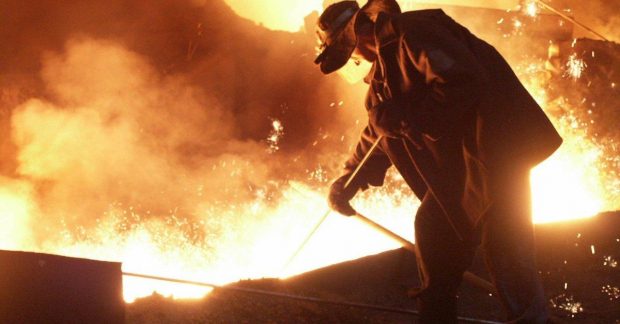
Ukraine's metallurgical industry is facing a massive crisis that is turning into a systemic threat to the state and local budgets alike. A combination of factors, including constant Russian shelling, energy supply issues, expensive logistics, and restrictions in foreign markets, has led to a sharp drop in production within this key sector. As a result, leading enterprises are reporting significant declines in financial performance and tax payments.
A chain reaction in finance and economy
According to analysts, in the first nine months of 2026, major market players such as Metinvest and the Dniprovsky Metallurgical Plant significantly reduced their tax deductions. The decline applies to both corporate income tax and VAT. “We have reached a critical point. Steelmakers are losing the ability to produce and export steel, and the country risks losing jobs and billions of hryvnias in taxes,” notes Metinvest CEO Yuriy Ryzhenkov.
This process triggers a cascade effect across the entire economy. Reduced orders in metallurgy automatically hit related sectors—energy, rail transport, engineering, and small businesses. Consequently, tax losses extend far beyond the plants themselves, worsening public finance deficits at a time when the country desperately needs resources for defense.
Consequences for communities and urban infrastructure
Industrial regions and cities, where budgets depend heavily on personal income taxes and land fees from large enterprises, feel this problem most acutely. In particular, some municipal authorities have already been forced to resort to budget sequestration and freeze development projects due to shortfalls in funding.
Under these conditions, expenditures on road repairs, municipal infrastructure, hospitals, and schools are usually the first to be cut. In addition, communities lose the ability to co-finance international grant initiatives and recovery projects. Job cuts at enterprises also reduce household purchasing power, hurting local retail and the service sector.
Source UNIAN — unian.ua/society/kaskadniy-efekt-padinnya-virobnictva-u-metalurgiji… ↗
Read next
 🧠AI Analysis
Medieval Mystery: How an Accidental Field Discovery Revealed the Legacy of King Alfred
While ploughing a field, a farmer came across a unique gold ornament with an inscription linked to the ruler of Wessex.
 ⚽Sport
Zelenskyy Announces GUR Report on Updated Russian Strike Plans and Energy Situation
President Volodymyr Zelenskyy reported on an intelligence briefing regarding updated Russian strike plans and held a meeting on repairing energy infrastructure damages.
 💡Tech
Retro Gaming Meets AI: Enthusiast Runs ChatGPT on a Super Nintendo Console
Tech journalist Benj Edwards has adapted a miniature version of a language model to run on the classic 1990s Super Nintendo entertainment system.
 💡Tech
End of Shortage: Analysts Forecast Price Drop for SSDs and RAM by 2027
The global PC components market is heading toward a major shift, with experts predicting a significant drop in RAM and storage prices by 2027.
 🛡️Security
Katarína Mathernová Slams Russian Lies About Peace Amid Deadly Strikes
EU Ambassador Katarína Mathernová expressed extreme frustration over Russian attacks on civilians, questioning how anyone can talk about peace negotiations in such circum…
 💡Tech
US Company Successfully Tests Core Engine for New Overture Supersonic Airliner
American firm Boom Supersonic has carried out the first hot-fire tests of the Sprint Core gas generator for its upcoming supersonic aircraft.