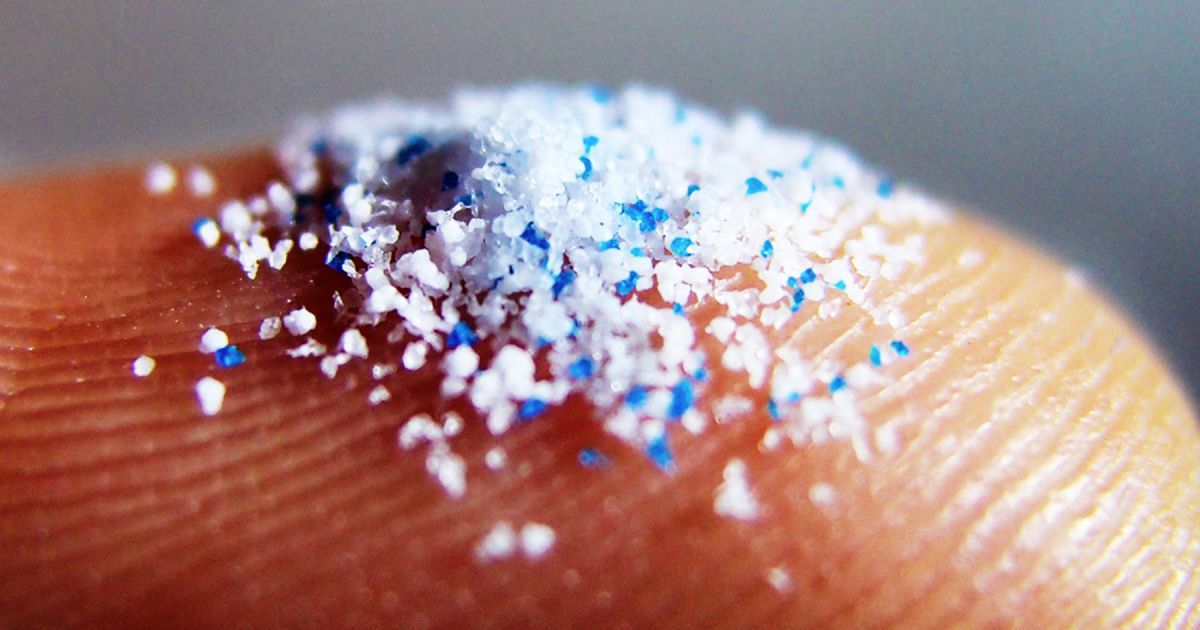
Microplastics in water: new research reveals hidden chemical threat
Scientists have discovered that microplastics in water can trigger chemical reactions that potentially damage living cells.
 🩺Health
Photo: TSN
Key points
- Microplastics trigger reactive oxygen species in water
- Polyethylene and polypropylene are the most chemically active
- Heating plastic in microwaves increases particle release
Dangerous activity of microplastics
Researchers from Columbia University and the University of California, Berkeley, have found that microplastics in water can trigger harmful chemical reactions. It turns out that plastic particles are not just passive debris but can actively interact with their environment by generating reactive oxygen species.
These molecules, such as hydroxyl radicals, can damage proteins, DNA, and cellular structures. Experiments showed that this process is most intense with common plastics like polyethylene and polypropylene. As plastic items break down into smaller fragments, the surface area available for these chemical reactions increases, heightening the potential risk.
Health risks and practical advice
Laboratory tests on mouse blood cells confirmed that the chemical activity of plastic can lead to cell membrane damage. While these results were obtained in a laboratory setting, they suggest that caution is warranted when using plastic containers in daily life.
Experts advise against heating plastic containers in the microwave or leaving water bottles in direct sunlight for extended periods. These conditions accelerate the degradation of the material, causing more micro-particles to leach into food and water.
Source TSN — tsn.ua/zdorovya/mikroplastyk-vyiavyvsia-nebezpechnishym-niz-vvazaly-shc… ↗
Read next
 🏙️City
Rescue operation in Dymer: death toll rises to eight
Rescuers continue clearing debris in Dymer following a hostile attack, with the number of victims increasing to eight.
 🎓Education
Conflict at Kyiv Pechersk Lavra: Police Launch Investigation
A conflict broke out at the Kyiv Pechersk Lavra over the use of religious buildings. Police have documented the incident and are investigating.
 👥Society
Civilian Evacuation: ISW Compares Proposals for Humanitarian Corridors
Analysts at the Institute for the Study of War have explained why ceasefire initiatives in different regions vary in their technical feasibility.
 🛡️Security
Another attack on the oil refinery in Novoshakhtinsk
On the night of November 23, the Novoshakhtinsk oil refinery in Russia was targeted. The facility is a key fuel supplier for the Russian occupation forces.
 🚨Events
Special police operation launched in Kharkiv following fatal shooting
A man was found dead after a shooting in Kharkiv on the evening of November 22. Law enforcement agencies are currently searching for the perpetrators.
 🛡️Security
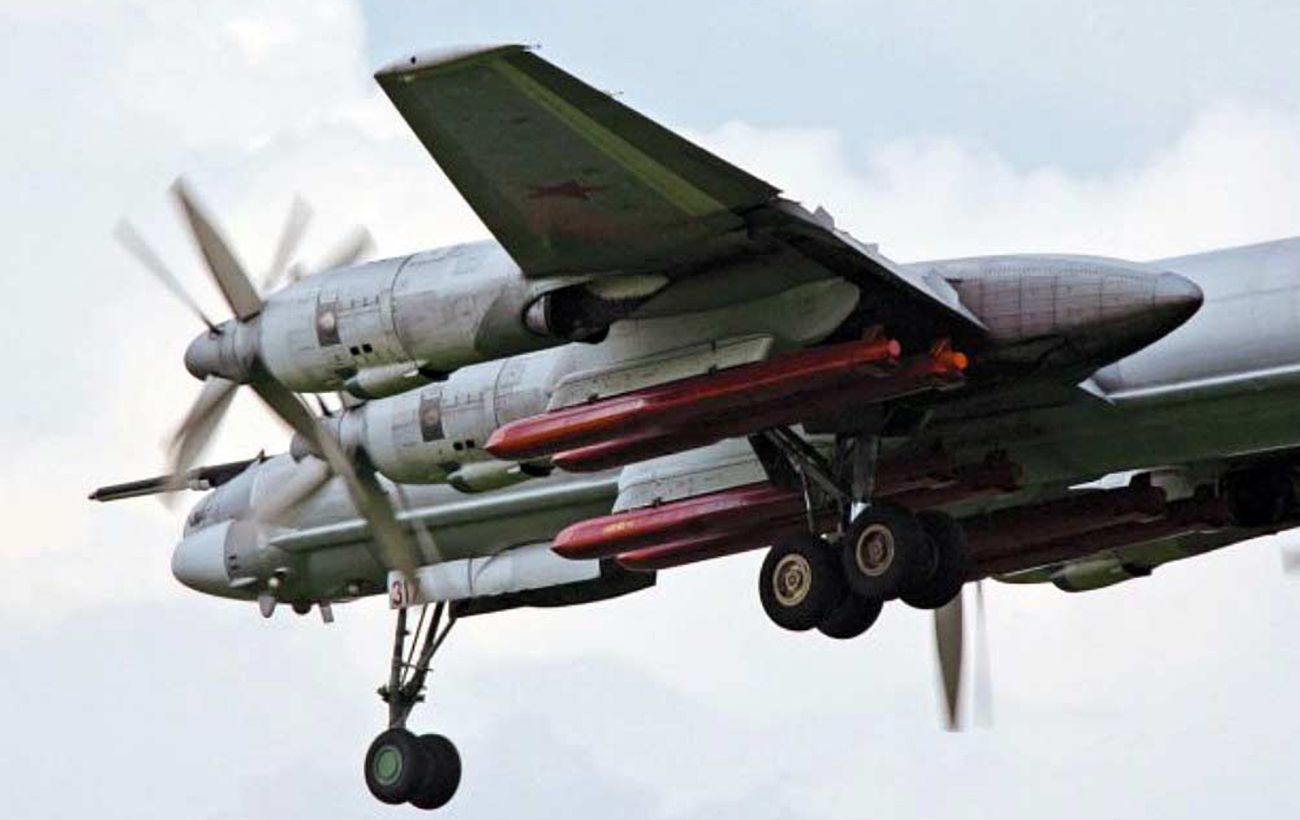
Debris of Russian missiles produced in late 2026 found in Poland
Fragments of X-101 cruise missiles, manufactured only weeks ago in Russia, have been discovered in eastern Poland.